Floral SVG File for Crafts: A Designer's Real-World Review
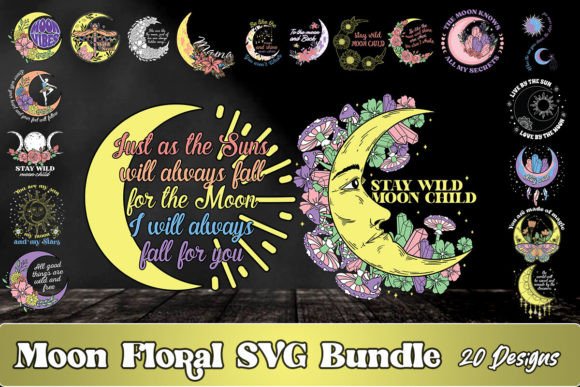
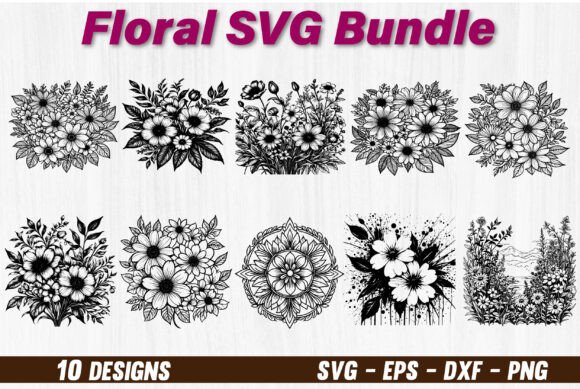
When I first opened the folder for the Floral SVG File for Crafts, I wasn't just looking at a bundle of vector shapes; I was mentally mapping out where these designs would live on finished products. As someone who spends their days troubleshooting thread breaks and optimizing stitch paths, my initial reaction is rarely about how pretty a graphic looks on a screen. It is about how it translates to thread, fabric, and the hands of the person wearing or using the item. This 10-piece Floral Bundle brings a specific energy that feels right at home in the handmade market, but like any good tool, its success depends entirely on how you deploy it.
The Mood and Visual Personality
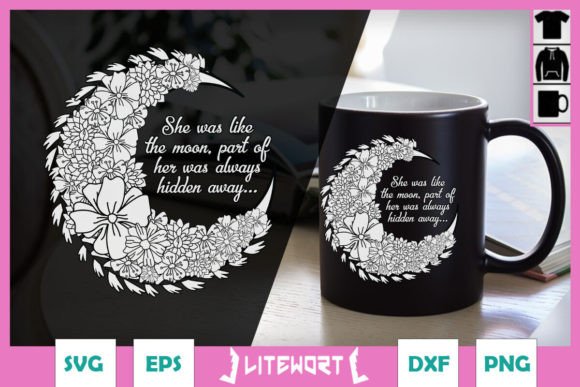
The immediate impression of this collection is one of organic warmth. Unlike rigid geometric patterns or overly stylized modern art, these floral elements possess a softness that suggests hand-drawn origins. For an embroidery designer, this is crucial because it dictates the stitching strategy. The lines appear fluid enough to handle well with satin stitches, yet they retain enough definition to work as fill areas without becoming a muddy blob of thread.
In terms of layout, the designs feel balanced. They are not so dense that they require massive hoops, nor are they so sparse that they look lost on a garment. This versatility is what makes them attractive for a wide range of applications. Whether you are creating a delicate embroidery project for a baby's christening gown or a bold statement piece for a boutique tote bag, the visual personality of the Floral SVG File for Crafts adapts to the context. It strikes a chord with buyers who appreciate artisanal quality over mass-produced perfection.
Real-World Application: From Screen to Stitch
Let me walk you through a scenario that mirrors exactly what happens in my studio when I take on a new client order. A local coffee shop approached me recently needing custom aprons for their staff. They wanted something that felt welcoming but professional, avoiding the cliché "coffee bean" imagery everyone else uses. I pulled up the Floral SVG File for Crafts from my library.
I imagined the design centered on the chest area of a heavy-duty canvas apron. The floral motif offered a softer contrast against the rugged texture of the fabric, elevating the perceived value of the merchandise instantly. However, moving from the digital mockup to the physical apron required careful planning. The design assets needed to be scaled down slightly to fit the limited space on the upper chest, which meant checking the stitch density carefully. If the original file had too many intricate details packed into a small area, the threads would bunch up, ruining the crispness of the final product.
This same logic applies to other high-demand items. Imagine taking one of these floral vectors and adapting it for a sweatshirt embroidery project. The soft fleece of a hoodie provides a forgiving surface, allowing the fill stitch to settle beautifully. But if you were to use the same design on a structured cap, the curvature of the brim might distort the flow of the petals unless the digitization accounts for the compression. The files provided in this bundle serve as excellent starting points, but the magic happens in how you adjust them for the specific material.
Where Caution Is Required
While this bundle is robust, no single design fits every scenario perfectly. There are specific situations where the Floral SVG File for Crafts requires extra scrutiny before you hit the start button on your machine. First, consider the hoop size. If you are working with a small hoop, such as those used for patches or children's clothing, the finer details in the floral stems might get lost or become difficult to stitch cleanly. In these cases, simplifying the design or increasing the spacing between elements is often necessary.
Textured fabrics also present a challenge. While linen and denim can add character, their uneven surfaces can cause a running stitch to skip or a satin stitch to pull unevenly. Thin fabrics, like silk or lightweight cotton, require a lighter touch. Using a design with heavy density here could lead to puckering, making the garment look unprofessional. Similarly, dark fabrics demand a different approach to thread selection. Without proper underlay or contrasting thread colors, the floral shapes might disappear into the background, defeating the purpose of the design.
Curved surfaces, particularly caps and hats, are another area where the layout matters. A design that looks perfect flat on a table might warp when wrapped around a six-panel hat. The machine embroidery design needs to be evaluated for its ability to follow the curve without stretching the fabric excessively. If the design includes tiny lettering or very sharp corners, these should be avoided on curved surfaces unless you have advanced digitizing skills to compensate for the distortion.
Impact on Product Value and Brand Trust
For Etsy sellers and small business owners, the difference between a generic print and a high-quality embroidered item is often the attention to detail. When a customer receives a personalized gift featuring the Floral SVG File for Crafts, the tactile experience is what builds brand loyalty. A clean, well-executed stitch job signals professionalism and care. It tells the buyer that the maker understands the medium.
Conversely, a poorly executed design can damage trust. If the thread colors clash with the fabric or if the stabilizer failed to hold the shape, the finished product will look amateurish. This is why testing is non-negotiable. Before listing a batch of embroidered tote bags or holiday gifts, you must test the design on scrap fabric. Check the contrast in both light and dark settings. Ensure that the digital embroidery file converts correctly to your machine's format without losing critical data.
Practical Notes for the Embroidery Designer
If you are planning to use this bundle for commercial purposes, keep these practical steps in mind to ensure success:
- Test on Scrap Fabric: Always run a test stitch-out before committing to a final product. This reveals issues with tension, density, or placement that aren't visible on a screen.
- Check Thread Contrast: Ensure the chosen thread colors pop against the fabric background. Sometimes a design needs a color swap to truly shine.
- Review Stitch Density: High-density areas can cause needle deflection. Adjust the digitization if the design feels too heavy for the intended fabric weight.
- Confirm Hoop Size: Verify that the design fits comfortably within your machine's maximum hoop dimensions, especially for large projects like blankets or pillow covers.
- Inspect Small Details: Zoom in on the smallest elements. Are they clear? Will they stitch cleanly, or do they need to be simplified?
- Use Proper Stabilizer: Match your stabilizer choice to the fabric. Heavy-weight cut-away stabilizers are often needed for stretchy knits to prevent shifting.
- Licensing Verification: Before selling finished items or offering digital previews, double-check the licensing terms included with the bundle to ensure you are compliant.
The Floral SVG File for Crafts offers a solid foundation for creative entrepreneurs looking to expand their offerings. It bridges the gap between digital convenience and tangible craft. Whether you are creating a custom apparel line, designing holiday embroidery collections, or producing unique handmade products for craft fairs, this bundle provides the visual assets needed to stand out. However, remember that the file is just the beginning. The true value comes from your expertise in bringing these graphics to life through skilled stitching and thoughtful application.
By treating each project with care and respecting the limitations of the materials, you can transform a simple vector file into a cherished keepsake. That is the essence of great design work: it starts with a good idea, but it ends with a flawless execution.