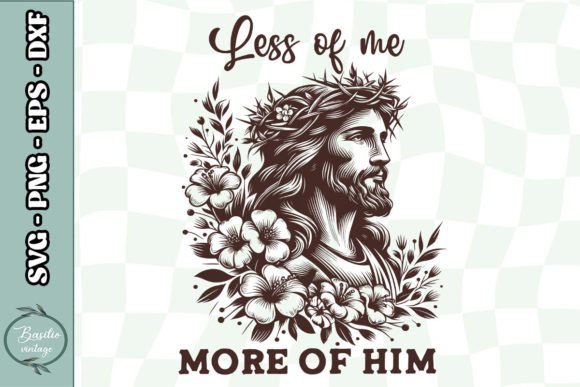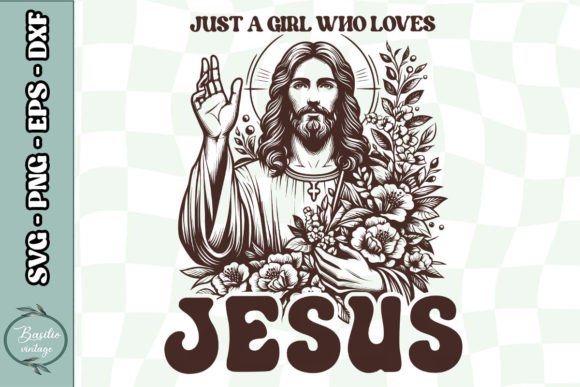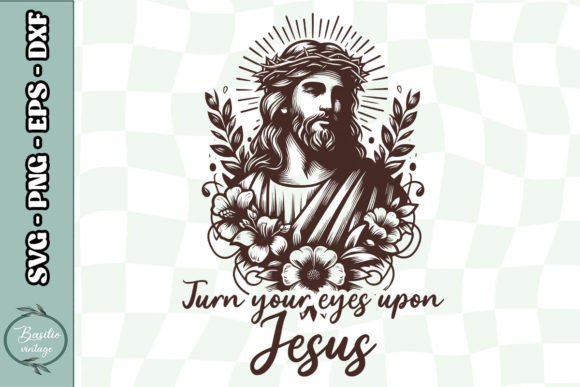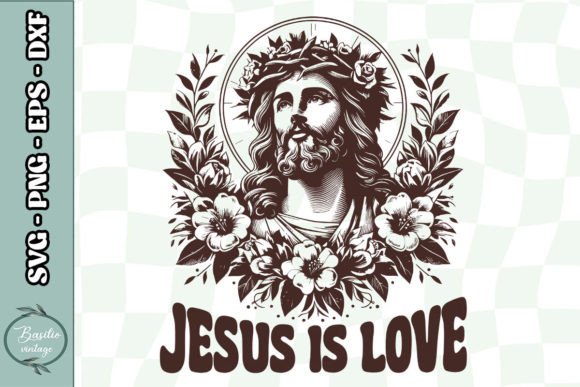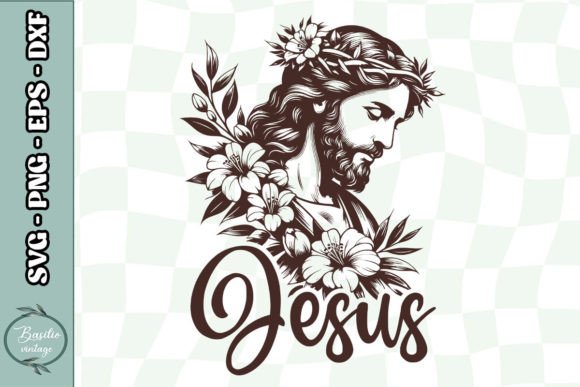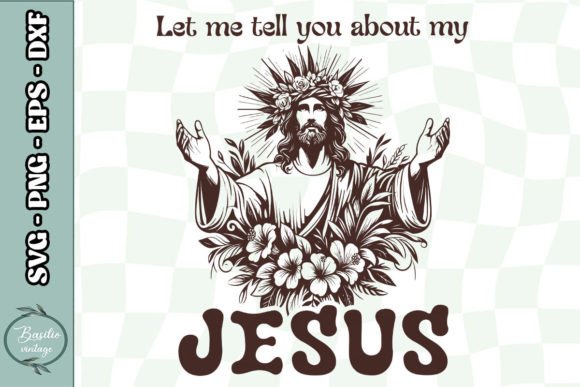
Let Me Tell You About Jesus Floral SVG Review
As a designer who spends more time troubleshooting stitch density than actually creating new artwork, I approach every digital download with a mix of hope and skepticism. When I first opened the Let Me Tell You About Jesus Floral SVG, my immediate reaction wasn't about the religious message, but rather how well the floral elements would translate from a screen to fabric. In the world of crafts and graphics, it is easy to get lost in pretty previews, but the real test happens when the needle starts moving. This review breaks down exactly where this design fits in your workflow, how it handles real-world stitching challenges, and whether it deserves a spot in your commercial inventory.
The First Impression: Mood and Visual Personality
The layout of Let Me Tell You About Jesus Floral SVG strikes a balance between rustic charm and modern clarity. The typography is bold enough to be legible even after embroidery shrinkage, which is often a nightmare for smaller designs. However, the true character comes from the surrounding floral motifs. They aren't just decorative borders; they frame the text in a way that suggests growth and grace. For an embroidery designer, this kind of composition is gold because it allows for creative thread color choices without overwhelming the viewer. It feels like a design meant to be seen on a worn-in apron or a soft baby onesie, not necessarily on a stiff corporate polo. The visual personality is warm, inviting, and deeply personal, making it perfect for personalized gifts where the sentiment matters as much as the craft.
A Real-Life Scenario: The Boutique Tote Bag Project
Imagine you are preparing for a local craft fair or fulfilling a rush order for an Etsy client. You need a custom embroidered tote bag that stands out on a crowded table. You decide to use Let Me Tell You About Jesus Floral SVG on a heavy canvas tote. Here is what happens when you move from the digital file to the finished product. The floral elements provide a nice contrast against the rough texture of the canvas, hiding any minor puckering that might occur at the edges. The text remains crisp, drawing the eye immediately to the center of the bag.
However, if you were planning to put this same design on a small cap or a baby bib, the scale might feel slightly off. In this scenario, the design works best on larger surface areas like sweatshirt embroidery, pillow covers, or kitchen towels. The flowers add a sense of fullness that prevents the design from looking sparse on wide fabrics. Customers browsing your shop will appreciate the attention to detail, seeing that the design isn't just a generic clipart slapped onto a blank item. It shows intentionality, which builds trust in your handmade product.
Performance in Real-World Embroidery Situations
When evaluating this as a machine embroidery design, we have to look at how different stitches interact with the design elements. The floral sections likely rely heavily on fill stitch to create depth, while the lettering probably utilizes a combination of satin stitch for the main characters and running stitch for delicate accents. If the stitch density is too high, you risk the fabric becoming stiff, which ruins the drape of a garment. Conversely, if it is too light, the design may look washed out on dark fabrics.
This design shines in commercial embroidery projects where consistency is key. Because the floral elements are organic, slight variations in thread tension are less noticeable than they would be with sharp geometric lines. This makes it forgiving for beginners or busy production runs. It is also versatile enough for holiday embroidery themes, fitting seamlessly into Christmas, Easter, or spring collections. Whether you are selling small shop products or creating items for your own family, the design holds up well under scrutiny. It transforms a simple piece of fabric into a statement piece that feels professional and polished.
Where Caution is Required
Not every project is a match for this specific design. There are several scenarios where Let Me Tell You About Jesus Floral SVG might struggle. First, avoid using this on stretchy fabric without proper stabilization. The weight of the floral fill stitches can cause the fabric to pucker over time, especially after washing. Similarly, on textured fabrics like terry cloth or thick fleece, the fine details of the flowers might get lost in the pile of the material.
If you are working with small hoop sizes, such as those used for hat embroidery, you must be careful. The overall width of the design might force you to reduce the size significantly, which could blur the lettering and make the flowers look like blobs. Dark fabrics present another challenge; unless you plan to use a heavy layer of stabilizer or a cut-away backing, the white or light threads in the flowers might not pop enough against a black background. Always test these variables before committing to a large batch of custom apparel.
Impact on Brand and Customer Perception
In the craft business, the quality of your design directly influences customer trust. A sloppy digitization job can ruin a beautiful concept, but a well-executed design elevates the perceived value of your work. Using Let Me Tell You About Jesus Floral SVG correctly signals to your buyers that you care about the details. When a customer receives a tote bag or a nursery decor item where the flowers look lush and the text is sharp, they are more likely to return for future purchases. This design supports brand consistency by offering a cohesive aesthetic that fits well within a boutique branding strategy.
Furthermore, the design has strong giftability. People love giving items that convey a message of faith and beauty. The floral theme softens the religious aspect, making it appropriate for a wider audience, including secular friends who appreciate the artistry. This versatility increases your market reach, allowing you to list the item in various categories, from baby embroidery to general home decor. The result is higher engagement and better sales performance compared to generic, mass-produced graphics.
Practical Designer Notes for Success
Before you start stitching, there are critical steps you must take to ensure the finished product meets your standards. First, always test the design on scrap fabric that matches your final project material. Check the thread colors to ensure they offer enough contrast against the fabric background. Review the stitch density in your software; if the fill areas look too solid, consider adjusting the settings to allow some breathability. Confirm your hoop size is adequate for the design dimensions to avoid cropping issues.
Inspect the small details closely, particularly where the flowers meet the text. Sometimes, tiny gaps can close up during stitching, so a quick black and white mockup can help visualize the final look. Compare how the design appears on both light and dark backgrounds to ensure versatility. Use the proper stabilizer for the fabric type; a tear-away might not be enough for a heavy tote bag, whereas a cut-away is essential for stretchy knits. Finally, verify the licensing terms. Ensure the digital embroidery file allows for commercial use if you plan to sell the finished items, and check if there are restrictions on reselling the design assets themselves.
Let Me Tell You About Jesus Floral SVG is more than just a cute image; it is a tool for creating meaningful, high-quality handmade goods. By understanding its strengths and limitations, you can integrate it into your workflow with confidence, producing results that honor both the art of embroidery and the message it carries.