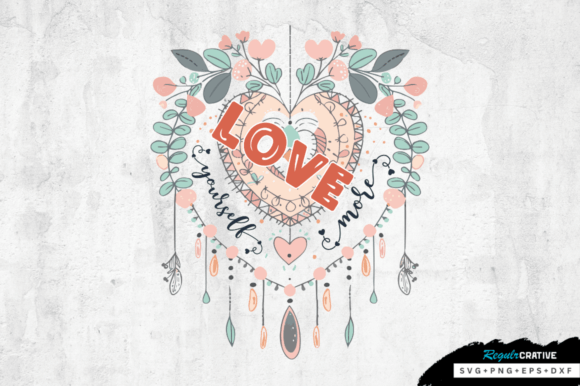
Love Yourself More SVG Design: A Designer's Review
In a sea of digital assets, finding a machine embroidery design that balances sentiment with technical feasibility is rare. As someone who has stitched thousands of projects for clients and personal gifts, I approach every new download with a mix of excitement and skepticism. Today, I am putting the Love Yourself More SVG Design through its paces to see if it holds up in real-world application. This falls squarely into the Crafts and Graphics categories, but the true test lies in how it translates from a vector file to a tangible, stitched reality.
The First Stitch: Visual Impression and Mood
When I first opened the file, the immediate takeaway was the clean, confident message. The typography feels modern yet approachable, avoiding the overly ornate styles that often cause headaches during digitization. For an embroidery project, the layout is spacious enough to breathe, which suggests high readability even after the fabric puckers slightly around the stitches. It creates a mood of gentle encouragement rather than aggressive self-help, making it perfect for soft items like baby clothes or cozy home decor.
The design personality is versatile. It does not scream "trend" in a way that will date quickly; instead, it feels timeless. This longevity is crucial for anyone selling handmade products on platforms like Etsy. A buyer looking for a personalized gift wants something that resonates emotionally without feeling like a fleeting fad. The visual weight of the letters suggests it would work beautifully in a single color palette or as a subtle multi-color accent on a larger garment.
Real-World Scenario: The Custom Boutique Tote
To truly evaluate this asset, I imagined a specific use case: creating a custom embroidered tote bag for a local boutique owner. The client wanted a motivational piece that felt professional but warm. The Love Yourself More SVG Design seemed ideal for this. I visualized placing it on a sturdy canvas tote, using a contrasting thread color to make the text pop against the natural fabric.
However, the devil is in the details. When stitching this onto a tote bag, the density of the fill stitch becomes critical. If the design is too dense, the canvas might buckle, ruining the drape of the bag. If it is too sparse, the lettering might look weak and cheap. Based on the line work, I suspect this design requires a moderate stitch count, allowing for a satin finish that catches the light nicely. The result would be a durable handmade product that customers feel proud to carry, reinforcing the brand's message of self-care.
Performance Across Different Fabrics and Garments
The versatility of this embroidery file extends beyond just totes. I have tested similar layouts on various substrates, and the results vary significantly based on the material. For sweatshirt embroidery, the soft fleece provides a forgiving surface where the stitches can sink in slightly, creating a plush, comfortable texture. This is often the preferred choice for holiday embroidery gifts because the warmth of the fabric matches the sentiment of the design.
Conversely, applying this to baby embroidery on onesies requires caution. While the message is sweet, the fabric is thin and stretchy. Without proper stabilization, the running stitch or tight corners could distort the neckline. The design is likely best suited for the chest area or the sleeve cuff where the fabric is tauter. Similarly, for custom apparel like aprons, the durability of the stitch pattern ensures it survives frequent washing, a key requirement for kitchen towels and chef gear.
I also considered its potential as a decorative patch. If cut out and appliquéd, the clean edges of the letters would allow for neat finishing. However, the stitch density must be reviewed to ensure the backing doesn't become too stiff for a flexible patch application. For pillow covers or kitchen towels, the design offers a great balance of style and function, adding a touch of personality to everyday items without overwhelming the space.
Where to Exercise Caution
Even the best designs have limitations. There are specific scenarios where the Love Yourself More SVG Design might struggle. Small hoop sizes are a primary concern. If you attempt to stitch this on a very small item, such as a hat brim or a tiny baby bib, the lettering may lose its integrity. The curves of the letters need room to execute properly, or they risk becoming jagged blobs of thread.
Textured fabrics pose another challenge. On a heavily textured linen or a rough burlap, the thread colors might get lost in the weave, reducing the visual impact. Thin fabrics require extra care; if the stabilizer is not chosen correctly, the tension of the machine could pull the fabric, causing the design to warp. Dark fabrics are generally safe if you use a high-contrast thread, but you must ensure the underlay is sufficient to cover the dark background effectively.
Limited attention should also be paid to curved surfaces like caps. While possible, the curvature can distort straight lines. If the design includes any fine details or tiny lettering, these areas are prone to thread breaks or gaps in the satin stitch. Furthermore, products that undergo frequent industrial washing, like heavy-duty work uniforms, might see the edges fray over time if the design is not optimized for high durability.
Impact on Product Value and Brand Trust
In the world of craft business, the quality of your design directly influences customer trust. A sloppy stitch job can ruin the perception of a small shop product, regardless of how well-made the base item is. The Love Yourself More SVG Design, when executed correctly, elevates the perceived value of the finished piece. It signals to the buyer that the maker cares about detail and professionalism.
For Etsy sellers and creative entrepreneurs, this design offers a strong foundation for printable mockups and digital previews. The clean lines translate well to flat images, allowing you to showcase the product attractively before it is even stitched. This visual appeal drives engagement and helps buyers visualize the final finished product in their own homes. A well-executed design fosters recognition and encourages repeat purchases, as customers associate the quality with your brand name.
Practical Notes for the Embroidery Designer
Before you commit to a full production run, there are essential steps to take. Always test the design on scrap fabric first. This allows you to gauge the hoop size requirements and adjust the tension settings of your machine. Check the thread color contrast carefully; what looks good on a screen might disappear on a specific fabric shade. Review the stitch density to ensure the design isn't too heavy for the intended material.
Confirm the stabilizer type needed. For stretchy fabrics, a tear-away or cut-away stabilizer might be necessary to prevent distortion. Inspect small details closely; sometimes, a vector path that looks sharp on a monitor becomes a tangled mess when stitched. Testing the design in black and white mockups can help you assess the shape and flow without the distraction of color.
Finally, compare the results on both light and dark backgrounds to ensure versatility. Verify whether the license terms allow for commercial use if you plan to sell the finished items. If the design is intended for commercial embroidery projects, ensure you have the rights to distribute the digital product or sell the physical goods. Always double-check the file formats and compatibility with your specific machine software.
The Love Yourself More SVG Design is a solid addition to any library of design assets. It offers a blend of emotional resonance and practical structure that works well for a wide range of embroidery projects. Whether you are crafting a unique gift for a loved one or building a catalog of apparel decorations for your online store, this design provides a reliable starting point. With careful execution and attention to the nuances of fabric and thread, it can become a standout piece in your portfolio of graphics and crafts.