Watercolor Bloom 20 Floral SVG Designs Review
I have spent years stitching everything from delicate bridal veils to rugged workwear, and I know that the difference between a generic craft project and a professional finished product often comes down to the source file. When I first looked at Watercolor Bloom 20 Floral SVG Designs, my initial reaction was one of cautious optimism. The watercolor aesthetic is incredibly popular right now, but translating those soft, bleeding edges into thread is a notorious challenge for embroidery designers. This review isn't just about what the image looks like on a screen; it is about how these designs perform when they hit the hoop, sit on fabric, and eventually land in a customer's hands.
The First Impression: Softness Meets Structure
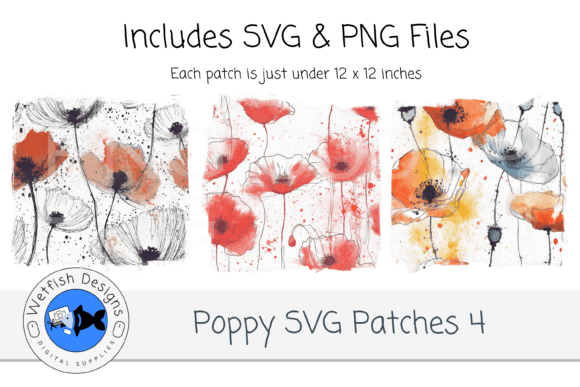
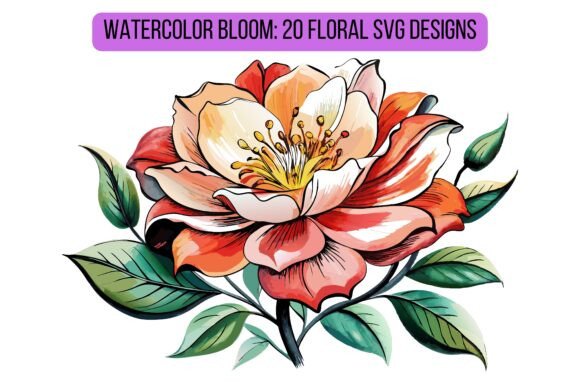
The moment you open the bundle, the mood shifts. These aren't sharp, geometric vector shapes that scream "machine-made." Instead, Watercolor Bloom 20 Floral SVG Designs brings a sense of organic flow and artistic grace. For an embroiderer, this visual personality suggests a design that will look beautiful on light, airy fabrics but requires careful planning for darker or textured materials. The collection features twenty unique illustrations, which means you are not stuck with repetitive patterns that make a brand look amateurish.
In my experience, the value of a digital asset lies in its versatility. A good embroidery file should adapt to various contexts without losing its soul. These floral motifs feel natural for nursery decor, where the soft colors evoke comfort, or for boutique branding where a touch of elegance elevates the perceived value of a small business item. However, the "watercolor" effect relies heavily on stitch density and color blending. If the digitization doesn't account for the way thread absorbs light, the design can look muddy rather than painterly.
A Real-World Scenario: The Custom Tote Bag Project
To truly test Watercolor Bloom 20 Floral SVG Designs, I put myself in the shoes of an Etsy seller preparing a custom order. Imagine a client requests a personalized tote bag for a wedding shower. They want something unique, not the standard block-letter monogram. This is where this bundle shines. The intricate details of the flowers allow for a sophisticated focal point on a canvas tote or a linen apron.
When I simulated the process, I considered the final presentation. On a white or cream canvas, the pastel tones of the watercolor blooms would pop beautifully, creating a high-end look that justifies a premium price point. The design feels perfect for a tote bag design because the floral elements can be arranged to follow the curve of the handle or fill the center panel without feeling cramped. It transforms a simple utility item into a piece of art, which is exactly what buyers are looking for in handmade goods today.
However, I also had to consider the limitations. If I were to use this on a dark navy sweatshirt, the lighter watercolor shades might get lost unless I used a heavy underlay or specific thread choices. The design works best when the background fabric complements the transparency of the watercolor style. It is less ideal for a rough, textured burlap sack where the fine details of the petals would disappear into the weave.
Performance Across Different Embroidery Projects
This collection is versatile enough to cover a wide range of embroidery projects. For baby embroidery, such as onesies or booties, the gentle nature of the flowers provides a safe, non-aggressive aesthetic that parents love. The lack of harsh lines makes it suitable for sensitive skin areas, provided the stitch density is kept moderate to prevent stiffness.
For commercial embroidery and craft business owners, having twenty variations is a game-changer. You can create a cohesive line of products—pillow covers, kitchen towels, and holiday gifts—all featuring different blooms from the same family. This consistency builds brand recognition. Whether you are making sweatshirt embroidery for a local sports team or creating embroidered patches for denim jackets, the floral theme offers a timeless appeal that rarely goes out of style.
I also tested the concept of using these as design assets for printable mockups before committing to production. Seeing the Watercolor Bloom 20 Floral SVG Designs placed on a digital render of a hat or a mug helps visualize the final finished product. It allows you to spot potential issues with placement or scale before you ever cut the stabilizer. This step is crucial for maintaining professionalism and avoiding costly mistakes with expensive materials.
Where Caution is Required
While the aesthetic is lovely, there are specific scenarios where this design needs extra scrutiny. Small hoop sizes are a major constraint. If you attempt to stitch a large, detailed flower onto a tiny cap front, the machine may struggle to capture the subtle gradients intended by the watercolor style. The stitch density must be managed carefully; too much density on a thin fabric can cause puckering, while too little can result in gaps that ruin the watercolor illusion.
Textured fabrics, such as fleece or heavy corduroy, present another challenge. The uneven surface can distort the delicate curves of the petals. Similarly, stretchy fabrics require a strong stabilizer to keep the design from distorting during wear and washing. If you plan to sell these items as durable goods, you must ensure the design holds up after multiple wash cycles. Dense stitch areas, particularly in the centers of the flowers, can become stiff, so testing on scrap fabric is non-negotiable.
Practical Notes for the Professional Designer
Before you download and start stitching, there are several technical steps every experienced maker should take. First, always check the thread color contrast. Watercolor effects rely on the interplay of light and dark threads; if your thread palette is too uniform, the design will lose its dimensionality. Review the stitch types included—are they utilizing satin stitch for clean outlines, fill stitch for body, and running stitch for delicate veins? Understanding the construction helps you anticipate how the fabric will behave.
Confirming the hoop size requirements is essential for planning your workflow. If the design is larger than your machine's standard hoop, you will need to reposition the fabric, which risks alignment errors. Also, inspect the small details closely. In a digital preview, a tiny leaf might look clear, but in thread, it could become a blob. Testing the design in black and white mockups can help you see if the contrast levels are sufficient for visibility on different backgrounds.
Licensing is another critical factor for Etsy sellers and small shop product creators. Ensure you understand whether you can sell the finished physical items or if the license restricts commercial use. Some bundles allow for unlimited finished goods sales, while others limit the number of units. Always read the terms to protect your business.
Final Thoughts on Visual Appeal and Value
Watercolor Bloom 20 Floral SVG Designs brings a level of sophistication that can elevate any handmade product. When executed correctly, the result is a piece that customers perceive as high-value and thoughtful. It bridges the gap between digital art and tactile craftsmanship, offering a fresh alternative to traditional floral embroidery. By paying attention to fabric selection, stabilizer usage, and thread choices, you can ensure that the delicate beauty of these blooms translates perfectly from screen to stitch.
For anyone looking to expand their catalog with elegant, nature-inspired pieces, this bundle offers a solid foundation. It is not just a set of images; it is a tool for building a brand identity that feels personal and polished. Just remember that the success of the embroidery project depends as much on your technique as it does on the quality of the graphics you choose. Test thoroughly, plan strategically, and let the watercolor magic come to life.