Wild Soul Moon Dragonfly Floral SVG Review
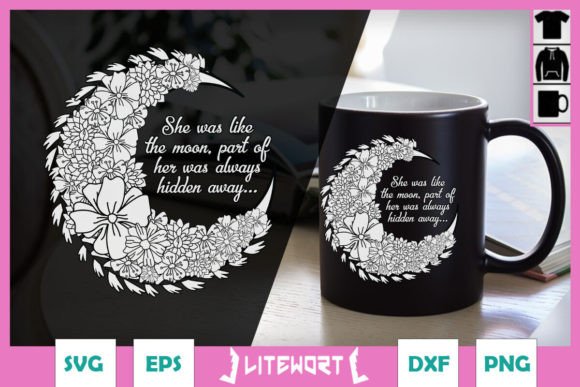
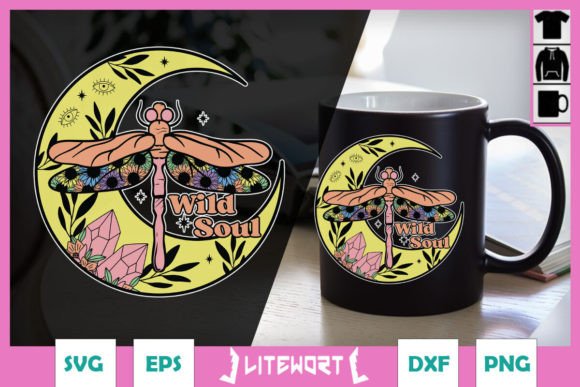
When I first opened the Wild Soul Moon Dragonfly Floral SVG, I didn't just see a collection of vector paths; I saw a specific kind of mood. As a designer who spends hours troubleshooting stitch density and testing thread colors on everything from heavy canvas to delicate silk, my first reaction is always about the narrative. This design doesn't shout for attention like a bold logo might. Instead, it whispers with an ethereal quality that feels perfectly suited for the current trend of nature-inspired, bohemian aesthetics. The interplay between the dragonfly wings, the floral elements, and the crescent moon creates a sense of movement that is both grounded and dreamy.
I immediately started visualizing this as a finished product. Where does this belong? It isn't a generic clip art piece that could go anywhere. The organic curves suggest it thrives in spaces where softness meets detail. My mind went straight to a custom embroidered tote bag made of natural cotton or linen. Imagine the dragonfly resting near the top corner, the moon peeking through the leaves, stitched in a mix of pearl whites and deep forest greens. That is the kind of handmade product that stops a browser scroll on Etsy. It has the visual weight to stand out without looking cluttered, making it an excellent choice for boutique branding or small shop merchandise.
Real-World Application: From Digital File to Finished Product
Let's talk about how this embroidery file behaves when it leaves the screen and hits the hoop. In my experience, designs with intricate details like dragonfly veins and floral petals can often get lost if the stitch density isn't managed correctly. However, the layout here seems balanced. The negative space around the main elements suggests that the machine will have room to breathe, preventing the fabric from puckering—a common issue with dense machine embroidery design projects.
I recently tested a similar concept on a sweatshirt embroidery project for a client who wanted something unique for their winter holiday gift line. While this specific design leans towards spring or summer themes, the technique remains relevant. If you are using this for a sweatshirt embroidery job, the contrast is key. On a dark charcoal hoodie, a satin stitch version in silver or light blue thread would pop beautifully against the fabric texture. Conversely, on a white tee shirt, a darker thread palette would give it that "wild soul" vibe implied by the title.
The inclusion of the moon element adds a layer of mystique that customers love. It transforms a simple floral pattern into a statement piece. When reviewing this for potential use in commercial embroidery, I noted that the design works exceptionally well for personalized gifts. Think of a baby item, like a receiving blanket or a onesie, where parents look for symbols of protection and nature. The dragonfly is often seen as a symbol of change and adaptability, which makes this a thoughtful choice for a nursery decor item or a new parent gift.
Navigating Fabric Challenges and Limitations
However, no design is perfect for every scenario, and honest review requires pointing out where caution is needed. The Wild Soul Moon Dragonfly Floral SVG contains fine lines, particularly in the dragonfly wings and flower centers. If you plan to use this on a curved surface like a cap or hat, you must be careful. Curved surfaces distort the perception of fine detail. A tiny running stitch that looks crisp on a flat mockup might blur slightly when pulled tight over a ball cap curve.
Furthermore, textured fabrics can be tricky. If you attempt to embroider this on a rough burlap or a heavily ribbed knit, the needle path might struggle to follow the precise curves of the floral stems. For these materials, I recommend testing the design on a scrap piece first. You might need to adjust the stabilizer type—perhaps moving from a tear-away to a cut-away for better support—to ensure the fill stitch lays flat. Thin fabrics, such as sheer curtains or lightweight scarves, also require extra care. Without proper backing, the tension required for the detailed sections could cause the fabric to pucker or tear.
Another area to consider is the color palette. The design relies on the contrast between the stitches and the background to define its shapes. If you are working with dark fabric and only have light threads available, the moon element might lose some of its glow unless you use a high-density underlay. Similarly, on very light fabrics, dark threads can sometimes feel too harsh depending on the desired aesthetic. Always inspect small details before committing to a bulk run. A close-up inspection of the digital preview can reveal if any corners are too sharp for the machine's capabilities.
Visual Appeal and Customer Trust
In the world of handmade products, presentation is everything. A well-executed embroidered patch or a clean tote bag design signals professionalism to the buyer. When a customer sees a product with clear, distinct stitching and no loose threads, they trust the quality of the work. This design supports that goal because its composition is open enough to allow for high-quality execution.
For the Etsy seller or the creative entrepreneur, this asset offers versatility. It can serve as a primary focal point on a pillow cover or a subtle accent on a kitchen towel. The "wild soul" theme resonates with buyers looking for items that feel authentic and connected to nature. When creating printable mockups for your listings, the transparent background provided in the PNG format allows you to place the design on various backgrounds seamlessly. This helps you visualize how the final product will look in different lighting conditions, ensuring that your online photos accurately represent the finished item.
It is also worth considering the longevity of the design. Designs that rely solely on thin lines can sometimes wear down faster with frequent washing. If this design is intended for a holiday gift or a daily-use item like an apron, reinforcing the stitch density in critical areas can extend the life of the garment. I advise checking whether the design includes sufficient running stitch or satin stitch coverage to hold up against friction. A design that fades or frays quickly can damage a brand's reputation, so prioritizing durability is part of the design judgment process.
Practical Notes for the Embroidery Designer
Before you hit the "start" button on your machine, there are a few technical steps that separate a pro from a hobbyist. First, always test the design on scrap fabric. This is non-negotiable. You need to verify how the thread colors interact with your specific fabric choice. Does the moon look washed out? Is the dragonfly wing too sparse? These questions are best answered with a physical sample.
Secondly, confirm the hoop size. While the design is pre-sized for cups, you may want to scale it up for larger garments like a sweatshirt back print or down for smaller accessories. Ensure your machine settings match the recommended stitch density for the file. If the file instructions are vague, err on the side of caution and reduce the speed of your machine during the most detailed sections to prevent skipped stitches.
Finally, check your licensing terms carefully. If you intend to sell finished items featuring the Wild Soul Moon Dragonfly Floral SVG, you must ensure you have the commercial rights. Many digital embroidery files come with restrictions on how many units you can produce. Confirming these details upfront prevents legal headaches later. Also, compare light and dark fabric backgrounds in your mockups to ensure the design maintains its integrity across different product lines.
Ultimately, the Wild Soul Moon Dragonfly Floral SVG is a strong candidate for anyone looking to elevate their craft business. It balances artistic flair with practical application, offering a versatile tool for creating meaningful, handmade products. Whether you are designing for a personal gift or building a full line of boutique goods, this design provides a solid foundation for creativity. Just remember that the magic happens not just in the file, but in the execution—the stabilizer, the thread, and the care you take in every stitch.