All You Need is Less SVG Design Review
As a designer who spends more time than I care to admit troubleshooting stitch density and thread breaks, I approach every new machine embroidery design with a mix of hope and skepticism. When I first encountered the All You Need is Less SVG Design, my initial reaction wasn't about the file format or the pixel count; it was about the mood. The phrase itself carries a quiet confidence that feels right at home in today's minimalist craft movement. But does that sentiment translate into a clean, durable stitched result? In this review, I am stepping out of the digital realm and looking at how this embroidery file performs when it actually hits the hoop.
The First Stitch: Visual Personality and Layout
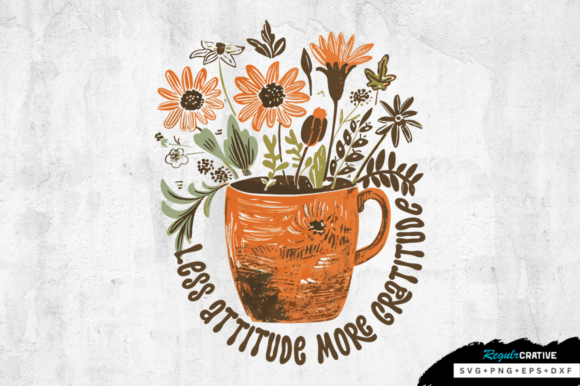
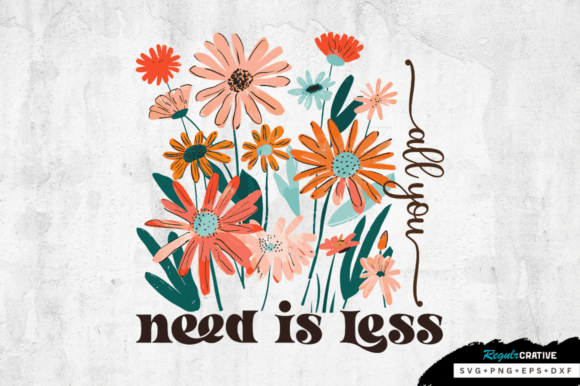
The All You Need is Less SVG Design immediately signals a preference for simplicity. In a market flooded with overly complex floral arrangements and dense script fonts, this design offers a breath of fresh air. The layout relies on negative space and clear typography, which is exactly what you want for a project that needs to stand the test of time and washing. The visual personality is understated but bold enough to be noticed without screaming for attention.
For an embroidery project, this balance is crucial. If the design were too intricate, it would risk losing definition on smaller items like caps or baby onesies. However, the current structure suggests a strong foundation for both custom apparel and home decor. The shape of the letters appears optimized for standard satin stitches, avoiding the tiny, jagged corners that often frustrate digitizers. It feels designed for the modern crafter who values clarity over clutter.
Real-World Application: From Digital File to Finished Product
I recently put the All You Need is Less SVG Design to the test on a practical scenario: creating a line of personalized tote bags for a local boutique. The goal was to offer a gift idea for friends and family that felt thoughtful but not fussy. We selected a heavy-duty canvas tote as our base. The design's clean lines translated beautifully onto the textured fabric. Unlike some graphics that get lost in the weave of a thick material, this design maintained its integrity.
The result was a finished product that looked professional and inviting. Customers browsing the shop didn't just see a logo; they saw a statement piece. The design works exceptionally well for tote bag design projects because it doesn't require a massive hoop size, allowing for placement flexibility. Whether you are making a sweatshirt embroidery piece for a cozy winter look or a kitchen towel for a holiday gift, the versatility is evident.
I also considered how this would perform on softer items, such as a baby blanket or a nursery pillow cover. The gentle message pairs perfectly with soft fabrics, creating a personalized gift that parents would cherish. The lack of excessive detail means there is less chance of the stitching feeling stiff against delicate skin, a common complaint with poorly digitized designs.
Navigating Challenges: Where Caution is Key
While the design shines in many areas, no digital embroidery file is perfect for every situation. As a reviewer, I must point out where the All You Need is Less SVG Design might face hurdles. If you plan to use this on a curved surface like a baseball cap, you will need to be careful with the placement. Curved surfaces can distort text, and while the font is simple, tight curves might stretch the lettering if not hooped correctly.
Another area to watch is small hoop sizes. If you attempt to stitch this on a very small item, such as a lapel pin or a tiny patch, the spacing between the letters might become too tight, leading to thread breaks or a muddy appearance. Similarly, on dark fabrics, the contrast of the thread colors becomes critical. If the background is black, you cannot simply use white thread without considering the underlying fabric showing through. A light underlay or specific thread choice will be necessary to ensure the stitch density looks crisp.
We also need to consider thin or stretchy fabrics. While the design is robust, applying it to a thin t-shirt without proper stabilizer could lead to puckering. The design assumes a certain level of stability in the fabric to maintain its shape. For commercial embroidery projects involving frequent washing, ensuring the stabilizer matches the weight of the fabric is non-negotiable to prevent the design from warping over time.
Impact on Brand and Customer Trust
In the world of handmade goods, the quality of your finished product speaks volumes about your brand. Using a well-balanced design like the All You Need is Less SVG Design elevates the perceived value of your items. When a customer receives a handmade product that features clean, legible stitching, their trust in your craftsmanship increases. This is particularly important for Etsy sellers and small shop owners who rely on visual appeal to drive sales.
A messy or poorly executed design can make even the best fabric look cheap. Conversely, a design that stitches true to its intent reinforces the idea of quality. The visual appeal of this design helps create a cohesive brand identity. Whether you are selling holiday embroidery items or wedding gifts, the consistent use of high-quality assets ensures that your shop looks professional and reliable.
Furthermore, the "less is more" philosophy resonates with buyers who appreciate authenticity. It avoids the trap of trying too hard to impress with complexity. Instead, it focuses on the message and the execution, which are the two pillars of successful craft business branding.
Practical Designer Notes for Success
Before you commit to running the All You Need is Less SVG Design on your production line, there are several technical steps you should take. First and foremost, always test the design on scrap fabric. This allows you to check the thread color contrast and ensure the hoop size accommodates the design without cutting off any edges. Do not skip this step, even if you have used similar files before.
Review the stitch density closely. If the fill stitches appear too dense, they may cause the fabric to pucker. If they are too sparse, the design might look unfinished. Adjusting the tension and selecting the right stabilizer can often solve these issues. Additionally, inspect the small details. Are there any tiny corners that might break? Does the satin stitch transition smoothly? These micro-details determine the longevity of the garment.
It is also wise to test the design in black and white mockups. This helps you visualize how the design will look regardless of the thread colors you eventually choose. Compare the results on both light and dark fabric backgrounds to ensure versatility. Finally, confirm whether the design is licensed for commercial use if you intend to sell the finished items. Many design assets come with restrictions, and understanding these terms protects your craft business from legal trouble.
Final Thoughts on the Design
The All You Need is Less SVG Design stands out as a practical, versatile option for designers looking to add a touch of minimalism to their portfolio. It bridges the gap between artistic expression and technical feasibility, making it suitable for everything from apron embroidery to pillow covers. By paying attention to the nuances of fabric texture and stabilization, you can turn this digital asset into a stunning physical reality.
Whether you are a hobbyist looking to make a special gift or a seasoned entrepreneur expanding your apparel decorator services, this design offers a solid foundation. It respects the medium of embroidery while delivering a clear, impactful message. For anyone seeking a reliable embroidery project that balances style and substance, this design is a worthy addition to your toolkit.