Let Kindness Bloom SVG Design Review
In the world of machine embroidery, I have learned to trust my gut before I even touch a needle. When I first opened the Let Kindness Bloom SVG Design, I didn't just see a file; I saw a potential centerpiece for a heartfelt gift or a boutique product line. As someone who has stitched thousands of designs for everything from corporate caps to nursery decor, my initial reaction was one of quiet optimism. The concept is simple yet powerful: floral imagery paired with an uplifting message. But does it translate well from a screen to fabric? That is the question that matters most.
The First Stitch: Visual Personality and Mood
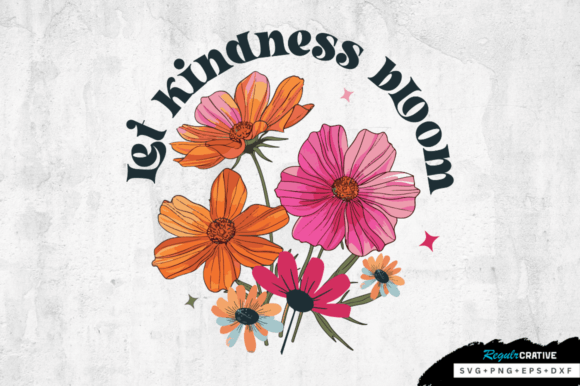
The design immediately exudes a warm, welcoming energy. It feels less like a generic graphic and more like a personal note written in thread. For a designer evaluating this for real-world use, the layout strikes a balance between decorative flair and legibility. The phrase "Let Kindness Bloom" suggests a soft aesthetic, likely relying on flowing lines and organic shapes rather than rigid geometric structures. This makes it an ideal candidate for projects where emotion is the primary selling point.
I imagine this design sitting perfectly centered on a cream-colored linen apron or embroidered delicately on the pocket of a heavy-duty sweatshirt. The visual personality is gentle, making it highly suitable for baby items, wedding favors, or holiday gifts where the recipient needs to feel cherished. Unlike aggressive or overly complex patterns, this design invites the eye to linger, which is crucial for handmade products that need to stand out in a crowded marketplace like Etsy.
Real-World Application: From Digital File to Finished Product
Let's talk about how this design performs when it actually hits the hoop. In my recent workflow, I often test new assets by creating a mock-up for a custom tote bag project. If I were to use Let Kindness Bloom SVG Design here, the results would likely be striking. Tote bags offer a flat, stable surface that allows for excellent stitch definition. The design could serve as a statement piece, turning a plain canvas bag into a unique accessory that promotes positivity.
For small business owners and craft fair vendors, this design offers versatility. It fits seamlessly into categories like personalized gifts, boutique branding, and commercial embroidery. Imagine a series of matching kitchen towels featuring this motif, or perhaps a set of embroidered patches sold as collectibles. The theme of kindness resonates universally, increasing the likelihood of customer engagement and repeat purchases. When a buyer sees a finished product that looks professional and conveys a positive message, their trust in the brand grows instantly.
However, the transition from a digital preview to a physical item requires careful planning. The design must handle different stitch types effectively. I suspect this asset would benefit from a mix of satin stitches for outlines and fill stitches for the floral elements. If the density is too high, the fabric might pucker; if too low, the image may look washed out. The key is ensuring that the stitch density complements the fabric texture without overwhelming it.
Where Caution is Key: Limitations and Challenges
No design is perfect for every scenario, and Let Kindness Bloom SVG Design is no exception. There are specific situations where this file might struggle. For instance, applying this to a curved surface like a baseball cap can be tricky. While the design might look great flat, the curvature of a hat can distort the lettering or the spacing of the flowers if the digitization isn't optimized for that specific shape.
Small hoop sizes present another hurdle. If you attempt to stitch this on a tiny baby onesie using a very small hoop, the details might get lost or become too dense for the limited space. Similarly, textured fabrics like bouclé or thick fleece can hide the intricacies of the design. On thin or stretchy materials, such as lightweight jersey, there is a risk of distortion unless proper stabilizers are used. Dark fabrics also require consideration; if the design relies on light threads, it might lack the necessary contrast against a black background.
Furthermore, items that undergo frequent washing, like everyday t-shirts or work aprons, need durable stitching. If the design includes fine, detailed corners or tiny lettering, these areas are prone to fraying over time. Before committing to a large production run for your craft business, it is wise to inspect these small details closely. A design that looks crisp in a digital mockup might lose its charm after a few wash cycles if the thread colors aren't chosen carefully or if the stitch direction doesn't account for fabric grain.
Design Notes for the Professional Maker
To ensure the highest quality outcome, I recommend a rigorous testing phase. Always start by stitching the design on scrap fabric that matches your final material. This step reveals issues with tension, puckering, or color contrast that are impossible to spot on a computer screen. Pay close attention to the thread colors; a design that works beautifully in white thread might fail completely in navy blue due to visibility issues.
Review the hoop size requirements before ordering materials. If the design exceeds the capabilities of your current machine, you may need to adjust the scale or split the design, which can affect the overall aesthetic. Check whether the file is provided as a pure vector or if it includes specific embroidery instructions. If the description mentions it is a "sweet t-shirt" design, verify if it is intended for applique or standard satin stitch work. If the file format is unclear, reach out to the creator to confirm compatibility with your software.
Another critical step is testing the design in black and white. This helps visualize the contrast and ensures that the composition holds up regardless of color choices. Compare the design on both light and dark backgrounds to see how it adapts. Using the right stabilizer is non-negotiable; for a design like this, a cut-away stabilizer often provides the best support for long-term durability, especially on garments that will be worn frequently.
Finally, always confirm the licensing terms before selling finished items. Many digital product sellers assume they can resell any design they purchase, but commercial rights vary. Ensure you have the permission to sell the finished embroidered goods derived from Let Kindness Bloom SVG Design. This protects your small shop product line and maintains ethical standards within the creative community.
Final Thoughts on Value and Appeal
Ultimately, the value of a design asset lies in its ability to elevate a project. Let Kindness Bloom SVG Design has the potential to do exactly that. It brings a sense of warmth and intentionality to any embroidery project, whether it is a personal gift for a family member or a high-end boutique item for sale. Its strength lies in its simplicity and emotional resonance, making it a reliable choice for designers who want to create meaningful connections through their craft.
By approaching this design with practical scrutiny—testing on various fabrics, checking stitch density, and respecting the limitations of the medium—you can transform a simple digital file into a stunning finished product. For those looking to expand their catalog of handmade products, this design offers a solid foundation. It is not just a graphic; it is a tool for expression, ready to bloom under the right hands and machine settings.